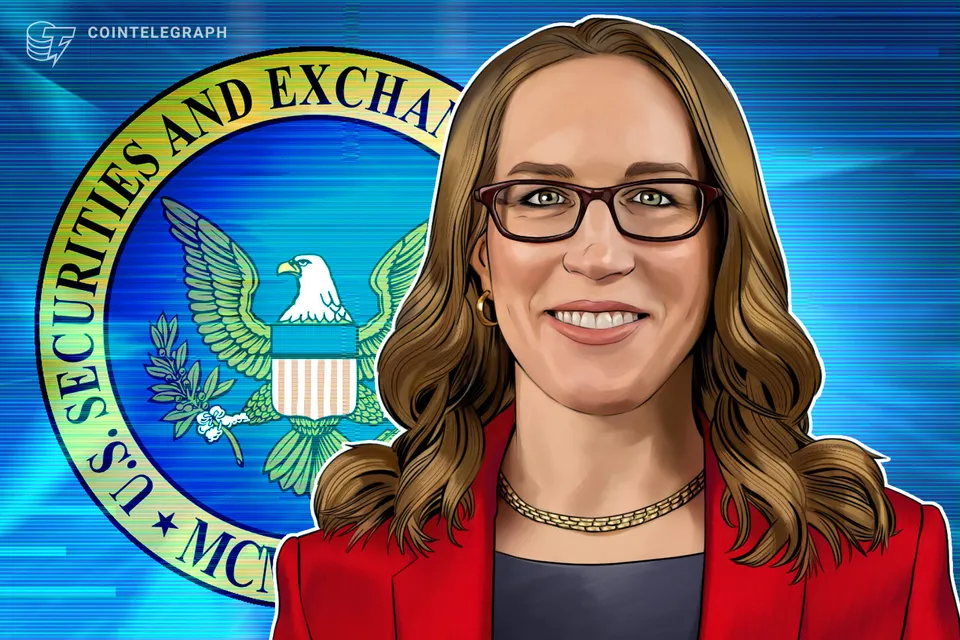
Hester Peirce, one of the SEC’s most prominent voices on cryptocurrency regulation, is preparing to leave the agency on Oct. 2 after nearly eight years as a commissioner.
Better known in the crypto community as “Crypto Mom,” Peirce has consistently advocated for clearer, rules-based regulation of digital assets. Her departure comes at a time when the SEC is undergoing a broader transition in how it approaches the cryptocurrency sector.
Peirce’s most recent role was leading the SEC’s Crypto Task Force, which was established to examine how existing securities laws should apply to digital assets, decentralized networks and blockchain-based technologies. Her work placed her at the center of several major regulatory debates affecting the crypto industry.
Her resignation also comes as the SEC has moved away from a number of crypto enforcement actions under its current leadership. Chairman Paul Atkins has emphasized a shift away from what he calls “regulation by enforcement,” pointing instead toward clearer regulatory frameworks for digital assets.
For crypto companies and developers, Peirce’s departure could therefore mark a change in the composition of the SEC’s crypto policy team. At the same time, the agency’s broader regulatory direction will continue to depend on its remaining commissioners and future appointments.
Peirce is expected to transition into academia, joining Regent University’s law school as an associate professor in November. Her upcoming work is expected to cover securities regulation, federal litigation and digital assets.
During her time at the SEC, Peirce also became an influential voice in debates surrounding decentralized finance and open-source blockchain development. She previously argued that publishing open-source code should not automatically subject developers to federal securities regulations.
For the crypto industry, Peirce’s exit closes one chapter of her involvement with the SEC while the agency continues to redefine its approach to digital assets. The next phase will depend on how the commission balances enforcement, investor protection and the development of clearer rules for the rapidly evolving crypto sector.